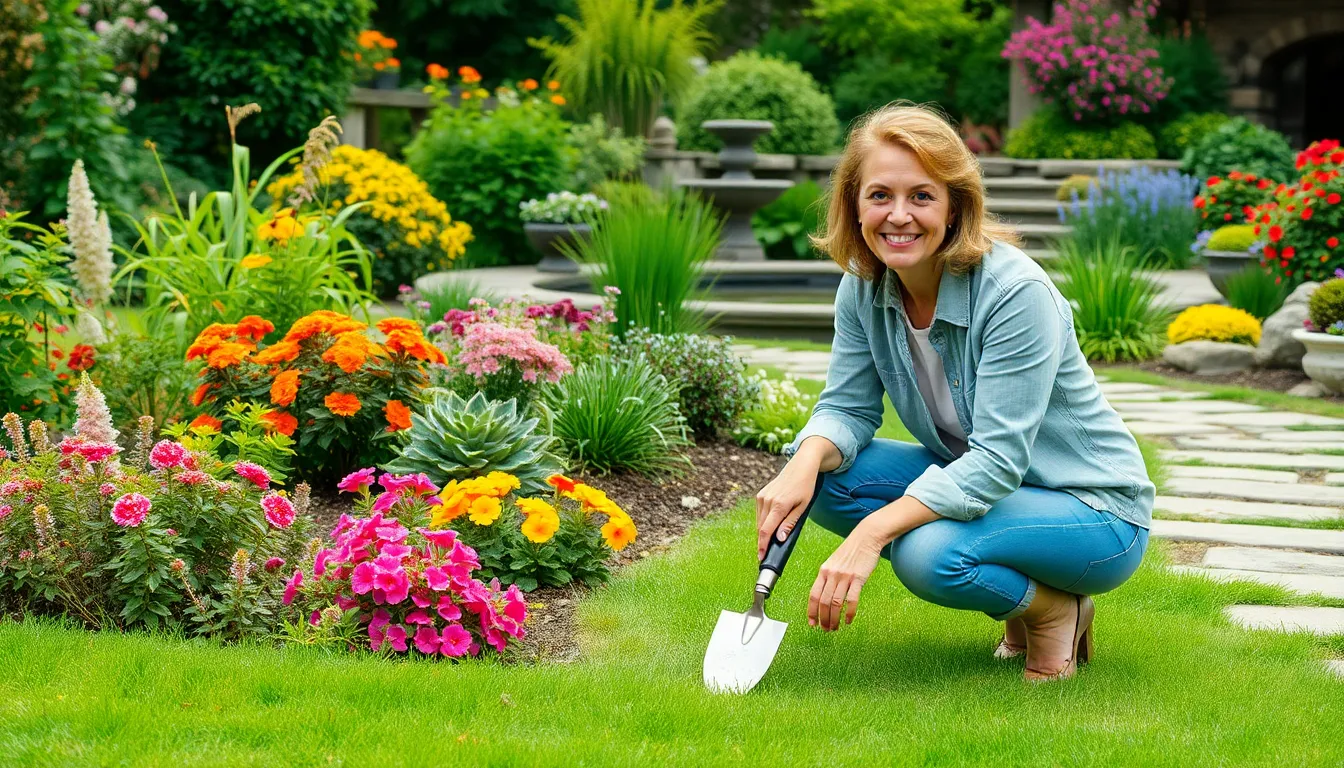

Imagine stepping into a garden that feels like a scene from a movie—lush greenery, vibrant flowers, and pathways that lead to secret nooks. Landscape design concepts transform ordinary outdoor spaces into extraordinary havens. Whether it’s a cozy backyard retreat or a sprawling estate, the right design can elevate any area from “meh” to magnificent.
But it’s not all about aesthetics. Thoughtful landscape design can enhance property value, promote sustainability, and even provide a peaceful escape from the chaos of daily life. With the right concepts in play, he or she can create a space that not only looks good but feels good too. So grab your gardening gloves and let’s dig into the world of landscape design, where creativity knows no bounds and every patch of earth has the potential to be a masterpiece.
Overview of Landscape Design Concepts
Landscape design concepts encompass various strategies that transform outdoor areas into appealing environments. These concepts focus on harmony, function, and sustainability, creating spaces that foster relaxation and enjoyment. One key principle involves incorporating native plants, which thrive in specific climates while supporting local ecosystems.
Another vital idea is the use of hardscape elements, such as paths, walls, and patios. These components provide structure, guiding movement and defining spaces. Designers often blend softscape and hardscape features for a balanced aesthetic. Incorporating water features adds tranquility, whether through ponds, fountains, or streams.
Color theory plays a significant role in landscape design. Strategic use of color can create visual interest and provoke emotional responses. Plants with varying hues in different seasons enhance the landscape’s dynamic quality. Shapes and forms contribute as well, where rounded foliage softens harsh lines, while tall plants create verticality, drawing the eye upward.
Designers consider functionality alongside beauty. Outdoor areas must accommodate activities like dining, entertaining, or gardening. Zoning effectively organizes space, ensuring each section serves its purpose. Zones should connect seamlessly, using pathways or transitions that invite exploration.
Sustainability remains a critical focus in modern landscape design. Techniques such as xeriscaping minimize water usage while maintaining beauty. Rain gardens capture runoff, supporting local wildlife and improving water quality.
Every landscape design concept aims to create inviting spaces that enhance quality of life. By considering aesthetics, function, and sustainability, designers craft environments that adapt to their surroundings, making places of beauty and serenity.
Key Principles of Landscape Design
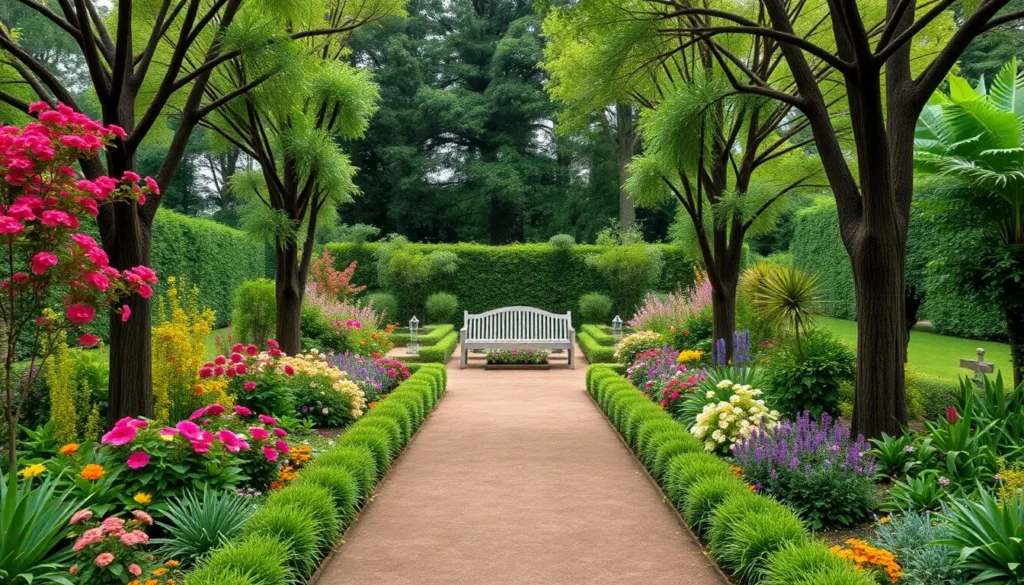
Effective landscape design relies on fundamental principles that enhance both aesthetic appeal and functionality.
Balance in Design
Achieving balance in landscape design creates a sense of stability and order. Symmetrical layouts use matching elements on either side of a central axis, promoting visual equality. Asymmetrical arrangements can also provide balance by creating visual weight through varied plant sizes and colors. For example, a large tree can balance small flowering shrubs on the opposite side. Balance directs the eye and reduces chaos, leading to a more enjoyable outdoor experience. Elements like hardscapes and plantings must work together to avoid overwhelming spaces, ensuring each area feels welcoming.
Harmony and Unity
Harmony in landscape design ties various elements into a cohesive whole. Color palettes that complement each other enhance visual coherence. Plant selection plays a significant role; using native species ensures compatibility with the environment while promoting ecological health. Designers should consider textures, forms, and sizes to maintain unity throughout the area. Elements like pathways and seating areas can be designed to flow seamlessly into gardens, encouraging movement and interaction. This continuity fosters a sense of belonging, transforming outdoor spaces into inviting retreats.
Elements of Landscape Design
Elements of landscape design play a crucial role in shaping outdoor spaces. They enhance visual appeal while promoting functionality and sustainability.
Plants and Vegetation
Plants and vegetation form the foundation of any landscape design. Native plants enrich the ecosystem while requiring less maintenance. Varieties such as wildflowers and shrubs create vibrant colors and diverse textures. Gardeners benefit from selecting plants suited to the local climate. Additionally, incorporating trees offers shade and improves air quality. Various plant heights contribute to visual interest and dimension. Foliage changes with seasons, adding dynamic beauty throughout the year. Ultimately, strategic plant placement maximizes space and fosters a harmonious environment.
Hardscape Features
Hardscape features provide structure and organization within landscapes. Elements like patios, pathways, and retaining walls offer functionality and visual balance. Natural stone or brick materials add aesthetic appeal, complementing surrounding vegetation. Designers focus on connectivity when creating walkways, ensuring smooth transitions between spaces. Benches and seating areas enhance social interaction while adding comfort. Strategic placement of hardscape elements encourages outdoor activities and movement. Incorporating water features like ponds or fountains can create a serene atmosphere. Overall, well-planned hardscape features contribute significantly to the overall landscape experience.
Styles of Landscape Design
Landscape design encompasses various styles that cater to different tastes and preferences. Each style reflects unique characteristics and philosophies.
Modern Landscape Design
Minimalism defines modern landscape design. This approach emphasizes clean lines, open spaces, and simple plant combinations. Native plants often feature in modern designs due to their low maintenance requirements. Concrete, wood, and metal serve as common hardscape materials, creating stylish contrasts with vibrant vegetation. Sustainability also plays a key role, with eco-friendly practices like water conservation and providing habitats for wildlife incorporated into these spaces. Open layouts promote functionality by allowing for versatile outdoor activities.
Traditional Landscape Design
Traditional landscape design showcases timeless beauty. With formal layouts and symmetrical patterns, this style evokes a sense of elegance. Classic elements, such as stone pathways, ornate trellises, and structured gardens, enhance visual appeal. Flower beds burst with color, featuring roses and hydrangeas that evoke a charming atmosphere. The use of native trees adds depth and character, creating shaded areas for relaxation. Garden borders often include boxwood hedges or low-growing perennials for a neat finish. These designs prioritize strong focal points, encouraging harmony within the overall landscape.
Trends in Landscape Design Concepts
Current trends emphasize sustainability and technology in landscape design. These elements shape how outdoor spaces are curated, enhancing both aesthetic appeal and environmental responsibility.
Sustainable Practices
Sustainable practices integrate eco-friendly approaches into landscape design. Native plants play a crucial role, as they require less water and foster local wildlife. Xeriscaping offers another technique, focusing on drought-resistant plants that minimize water usage. Rain gardens capture runoff, filter pollutants, and promote biodiversity. Additionally, organic materials for hardscapes contribute to sustainability, blending seamlessly with natural surroundings. Implementing composting methods enriches soil health and reduces waste. These practices not only enhance beauty but also create resilient ecosystems.
Technological Innovations
Technological innovations revolutionize landscape design, making it more efficient and accessible. Smart irrigation systems monitor soil moisture, optimizing water use. Drones help designers assess landscapes from the sky, providing valuable aerial imagery. Virtual reality tools enable clients to visualize designs before implementation. 3D modeling software allows for precise planning and adjustments, ensuring accuracy in the final layout. Moreover, the incorporation of solar-powered features enhances functionality while promoting energy conservation. These technologies streamline processes, creating tailored outdoor spaces that resonate with users’ needs.
Embracing landscape design concepts can truly transform outdoor spaces into captivating retreats. The integration of native plants and sustainable practices not only enhances beauty but also supports local ecosystems. By focusing on harmony and functionality, one can create inviting environments that cater to relaxation and enjoyment.
Incorporating elements like hardscapes and water features adds structure and tranquility, while attention to color and texture fosters visual interest. As trends evolve, the combination of technology and eco-friendly practices continues to redefine landscape design, making it more accessible and efficient. Ultimately, thoughtful design enriches quality of life, turning any outdoor area into a cherished sanctuary.