Home design isn’t just about slapping a fresh coat of paint on the walls and calling it a day. It’s an art form that transforms a house into a sanctuary, a personal retreat where style meets comfort. Imagine walking into a space that not only reflects personality but also sparks joy—who wouldn’t want that?
Overview of Home Design Concepts
Home design encompasses a variety of elements that create aesthetically pleasing and functional living spaces. Different styles exist, including modern, traditional, minimalistic, and rustic, each offering unique features to reflect personal preferences. Transforming a home into a sanctuary involves understanding spatial arrangements and color schemes.
Individual design choices can significantly impact ambience. For instance, open floor plans promote a sense of connectivity while maximizing natural light. Crafting a harmonious flow among rooms enhances the overall experience of a home.
Material selection plays a crucial role in home design. Sustainable materials, such as bamboo and reclaimed wood, contribute to an eco-friendly environment. Incorporating textures, like soft fabrics and hard surfaces, fosters a dynamic atmosphere.
Personalization is essential in home design. Custom furniture and décor items allow individuals to express their creativity. Art pieces and family photos enhance the emotional connection to a space.
Incorporating technology improves functionality. Smart home devices offer convenience through automation, enhancing comfort. Energy-efficient appliances also contribute to sustainability while lowering utility costs.
Home design trends evolve continually, adapting to lifestyle changes. Open-concept living spaces, which gained popularity in recent years, create versatility in room usage. Meanwhile, indoor-outdoor living trends blur the boundaries between nature and home, fostering a seamless connection to the outdoors.
Implementing these concepts allows individuals to craft spaces tailored to their unique tastes. Understanding the interplay of style, comfort, and functionality leads to effective home design that transforms houses into personalized retreats.
Popular Home Design Styles
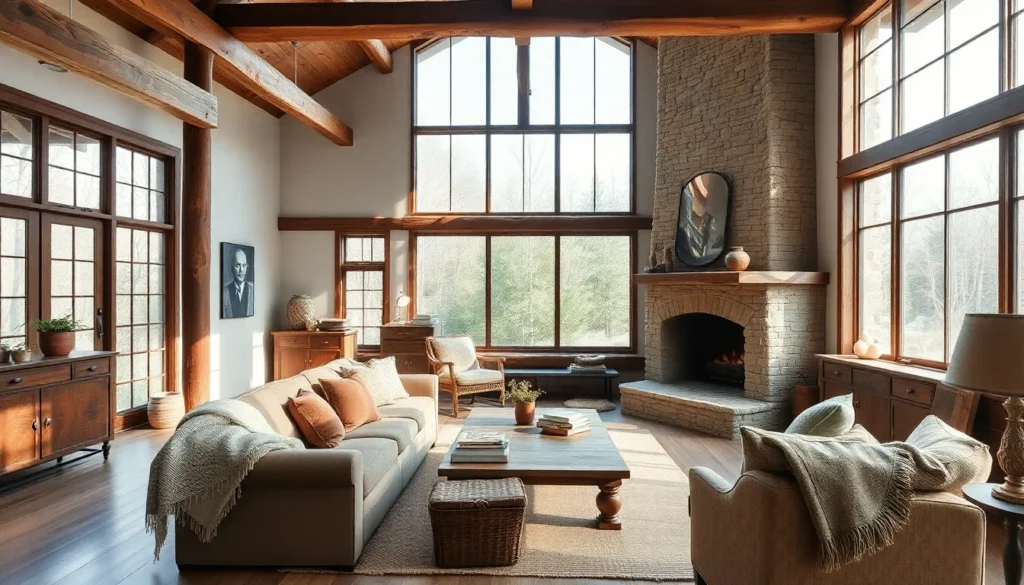
Home design styles reflect personal taste and lifestyle choices. Various styles offer unique characteristics that shape living environments.
Modern Home Design
Modern home design emphasizes clean lines and a minimalist aesthetic. This style often features open spaces to enhance flow and connectivity within the home. Large windows invite natural light while blurring indoor-outdoor boundaries. Neutral color palettes, along with a focus on functionality, create a tranquil atmosphere. Furniture in this style typically includes geometric shapes and sleek silhouettes, often made from materials like metal and glass.
Minimalist Home Design
Minimalist home design focuses on simplicity and uncluttered spaces. Functionality serves as a key aspect, often featuring multi-purpose furniture to maximize utility. This design prioritizes essential items, allowing for clearer organization and a more serene ambiance. Light, airy colors enhance the sense of space, creating a peaceful retreat. Natural materials like wood or stone add warmth and texture without overwhelming the environment.
Rustic Home Design
Rustic home design embraces natural elements and earthy tones. This style often incorporates reclaimed wood, stone finishes, and vintage furnishings, creating a cozy and inviting atmosphere. Textiles like wool and linen contribute warmth and comfort, often embellished with patterns inspired by nature. Open floor plans encourage communal living, while large fireplaces serve as focal points. A connection to the outdoors remains essential, with ample use of windows and outdoor spaces.
Key Elements of Home Design
Home design incorporates various elements that enhance the aesthetics and functionality of a space. Key components such as color schemes, furniture selection, and lighting considerations play crucial roles in shaping a home.
Color Schemes
Color schemes establish the mood and atmosphere of a home. Neutral tones like beige and gray offer versatility, allowing for easy integration of various décor styles. Bold hues, such as deep blue or vibrant red, can accent specific areas and create focal points. Analogous colors, found next to each other on the color wheel, promote harmony. Contrasting colors bring energy and excitement to a room. Selection of the right combination directly influences how occupants feel in the space.
Furniture Selection
Furniture selection significantly impacts usability and comfort in a home. Consideration of proportion ensures that pieces fit well within given spaces. Multi-functional furniture, such as sofa beds or storage ottomans, adds practicality. Style alignment with the overall design theme creates cohesion. Material choice also affects comfort and durability; for example, upholstered pieces provide softness, while wooden options offer sturdiness. Customizable options allow for personal expression and enhanced connection to the environment.
Lighting Considerations
Lighting considerations are essential for creating an inviting atmosphere. Natural light, encouraged through large windows or skylights, fosters warmth and openness. Layering light sources, such as ambient, task, and accent lighting, provides flexibility for various activities. Fixtures should complement the home’s style; modern pendant lights or vintage chandeliers each contribute different aesthetics. In addition, the use of dimmer switches enables control over brightness levels, adapting to mood shifts throughout the day.
Trends in Home Design Concepts
Home design concepts continuously evolve. Current trends showcase a blend of sustainability and advanced technology.
Sustainable Design
Sustainable design remains a priority for homeowners. Eco-friendly materials like bamboo and reclaimed wood contribute to a healthier environment. Incorporating energy-efficient appliances minimizes utility costs while promoting green living. Additionally, designs that utilize natural light reduce reliance on artificial lighting, enhancing overall well-being. Homes featuring indoor plants improve air quality and create a calming atmosphere. Creating spaces that harmonize with nature encourages relaxation and mindfulness.
Smart Home Integration
Smart home integration transforms living spaces into efficient environments. Homeowners increasingly adopt smart technology for lighting, security, and climate control. Devices such as smart thermostats optimize energy use, adapting to individual schedules. Voice-activated assistants simplify everyday tasks, enhancing convenience. Automated systems for window treatments provide privacy and light control with minimal effort. As technology advances, seamless integration in homes fosters comfort and safety, aligning with modern lifestyles.
Home design is a powerful tool that shapes not just a living space but also the quality of life within it. By thoughtfully considering styles materials and technology homeowners can create environments that reflect their individuality while enhancing comfort and functionality. Embracing trends like sustainability and smart technology ensures that spaces remain relevant and efficient.
Ultimately a well-designed home becomes a personal sanctuary where every detail contributes to a harmonious living experience. As tastes evolve and lifestyles change the principles of effective home design will continue to inspire creativity and innovation in crafting spaces that truly feel like home.