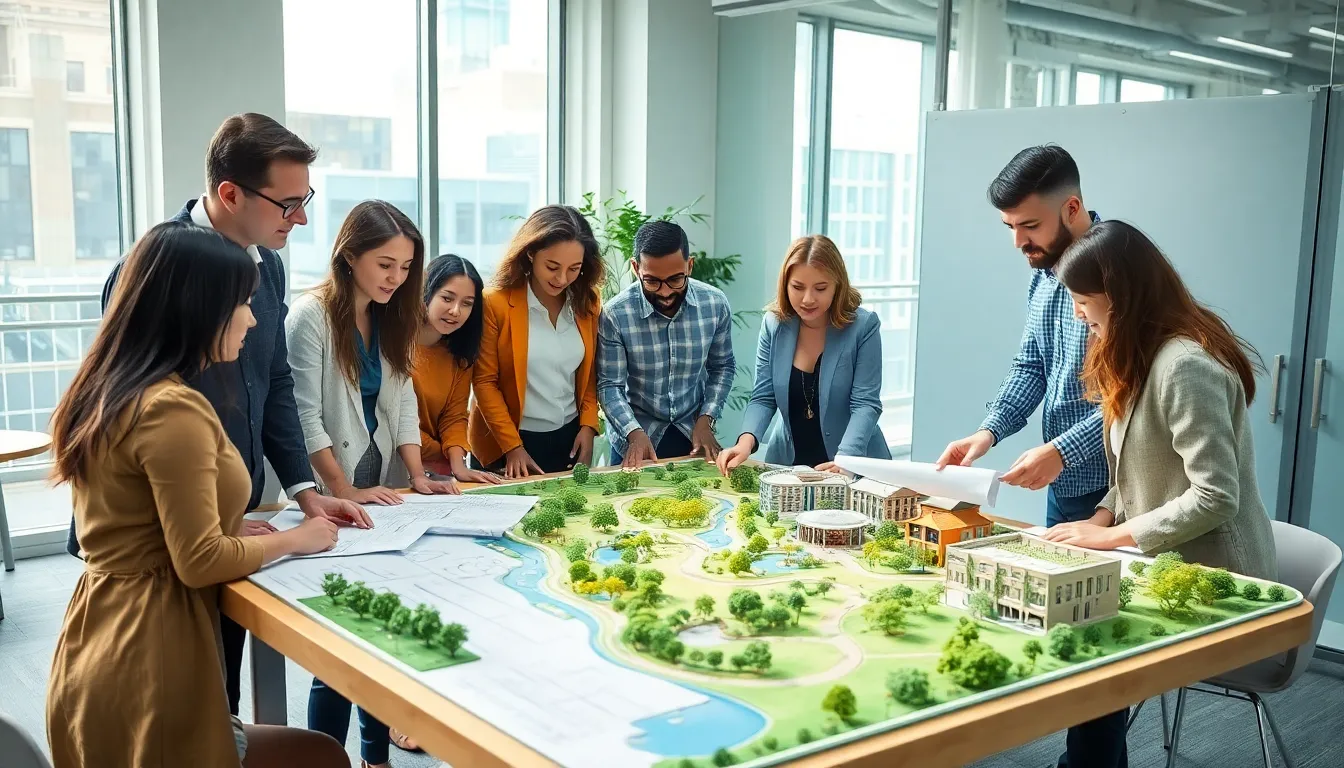

Civil design concepts are the unsung heroes of our built environment, shaping everything from the roads we drive on to the parks we enjoy. Imagine a world without well-planned infrastructure—chaos would reign, and navigating through life would feel like a game of dodgeball. These concepts blend creativity with practicality, ensuring that structures not only look good but also serve their purpose efficiently.
Overview of Civil Design Concepts
Civil design concepts play a critical role in developing sustainable infrastructure. These concepts incorporate engineering principles, aesthetic considerations, and environmental factors to create efficient, functional spaces. Effective civil design addresses various aspects, including land use, roadway geometry, and drainage systems.
Land use planning determines the optimal allocation of resources, balancing residential, commercial, and recreational needs. Roadway geometry focuses on alignment, slope, and width to enhance safety and traffic flow. Drainage systems manage stormwater, reducing flooding risks and protecting water quality.
Public spaces, such as parks and plazas, are increasingly recognized for their contribution to community well-being. Civil designers use principles that promote accessibility and connectivity among neighborhoods. Attention to detail in landscape architecture adds beauty and fosters ecological balance.
Sustainable practices integrate renewable materials and energy-efficient systems, addressing climate change challenges. These designs minimize environmental impact while maximizing usability. Incorporating green infrastructure components, such as bioswales and permeable pavements, enhances urban resilience.
Regulatory frameworks guide civil design, ensuring compliance with safety, accessibility, and environmental standards. Local zoning laws and building codes shape project parameters, guiding designers in their approach. Collaboration among architects, engineers, and local authorities becomes essential to create cohesive solutions.
Innovation in technology influences civil design methodologies. Tools such as computer-aided design (CAD) and geographic information systems (GIS) streamline planning and execution. They facilitate visualization, allowing stakeholders to anticipate potential challenges and outcomes.
Investing in advanced civil design concepts enhances both quality of life and economic development. Thoughtfully engineered infrastructures foster community connectivity, attracting businesses and residents alike. With a focus on functionality, sustainability, and aesthetic value, civil design concepts remain vital to the built environment’s evolution.
Key Principles of Civil Design
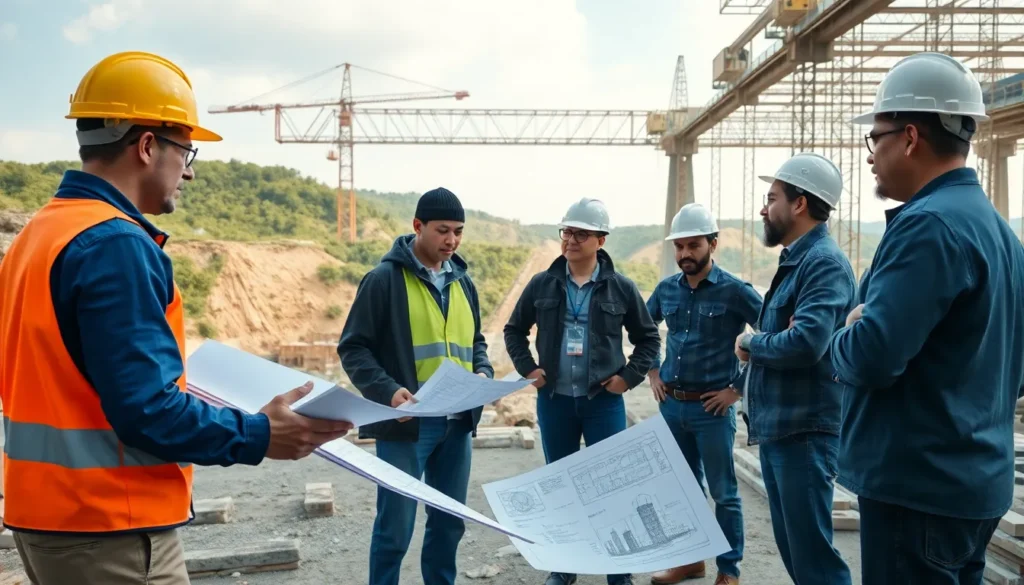
Key principles of civil design ensure effective infrastructure that meets community needs. These principles play a vital role in developing resilient and sustainable environments.
Structural Integrity
Structural integrity involves ensuring that every element within a design withstands expected loads. Engineers assess materials for their strength and stability in various conditions. They consider factors like weather fluctuations and seismic activity. Standards and regulations guide these evaluations, promoting safety in construction. Attention to joint connections and load distribution enhances overall stability. Professionals conduct regular inspections throughout a project’s lifecycle to maintain integrity. Effective communication among design teams also promotes adherence to established standards.
Sustainability Considerations
Sustainability considerations emphasize the balance between development and environmental preservation. Incorporating eco-friendly materials reduces carbon footprints while enhancing durability. Designs prioritize energy efficiency, minimizing waste and resource consumption. Utilizing native vegetation in landscaping supports local ecosystems and boosts biodiversity. Water management systems, such as bioswales, prevent flooding and improve water quality. Collaborating with stakeholders allows for comprehensive assessments of ecological impacts. Adopting renewable energy sources, like solar panels, further promotes sustainability. Integrating these practices creates resilient infrastructure adaptable to future challenges.
Types of Civil Design Concepts
Civil design concepts encompass various disciplines related to infrastructure creation. Key categories contribute to effective project execution and community benefit.
Transportation Design
Transportation design focuses on systems for moving people and goods. Effective roadways incorporate features such as lane width and turning radii. Traffic flow optimization plays a crucial role in reducing congestion and enhancing safety. Considering pedestrian pathways and bicycle lanes promotes multi-modal transport. Projects often include public transit options, ensuring accessibility for all users. Moreover, integrating technology improves traffic management and vehicle tracking, leading to smarter urban transport solutions.
Water Resource Management
Water resource management addresses the sustainable use of water systems. Effective design of drainage systems minimizes flooding risk and enhances stormwater management. Proper channeling of water runoff protects both infrastructure and the environment. Infrastructure components such as retention basins and permeable pavements promote groundwater recharge. Designing with care for natural habitats ensures ecological balance and supports biodiversity. Utilizing advanced technologies like GIS allows for precise water resource planning, essential in adapting to climate variability.
Urban Planning Concepts
Urban planning concepts prioritize the organized development of communities. Zoning regulations dictate land use and density, shaping the built environment. Public spaces, parks, and recreational areas promote community interaction and health. Integrating mixed-use developments increases livability by combining residential, commercial, and recreational spaces. Collaboration with stakeholders fosters inclusive planning, addressing diverse community needs. Sustainable practices such as green building techniques contribute to energy efficiency and resource conservation, ensuring resilient urban growth.
Importance of Civil Design in Society
Civil design plays a crucial role in shaping functional and aesthetic environments, contributing significantly to community well-being.
Enhancing Community Livability
Community livability benefits from well-designed public spaces that foster social interaction. Safe streets, parks, and recreational areas encourage outdoor activities and community engagement. Effective civil design integrates nature with urban environments, promoting mental health and physical activity. Accessibility features in pedestrian pathways ensure all residents can navigate neighborhoods. Planners prioritize green areas that serve both ecological functions and recreational opportunities. Sustainable practices in civil design contribute to cleaner air and enhanced quality of life. Such designs create vibrant communities where residents thrive together.
Economic Impact
Civil design greatly influences economic development through improved infrastructure. Enhanced transportation systems reduce commute times and boost productivity. Investments in public spaces attract businesses and tourism, fueling local economies. Efficient land use planning encourages mixed-use developments, promoting economic diversity. Job creation stems from civil design projects, ranging from construction to long-term maintenance. Well-planned infrastructure leads to increased property values, benefiting local governments. Economic growth intertwines with civil design, underscoring its critical importance in societal advancement.
Civil design concepts are fundamental to building a sustainable and functional future. By integrating creativity with practicality, these principles enhance the quality of life in communities. The focus on safety, accessibility, and environmental stewardship ensures that infrastructure not only meets current needs but also anticipates future challenges.
Investing in these concepts leads to vibrant public spaces and efficient transportation systems that foster economic growth. As technology continues to evolve, so will the methodologies of civil design, paving the way for innovative solutions that address urban challenges. Embracing these principles is essential for creating resilient and thriving communities that benefit everyone.