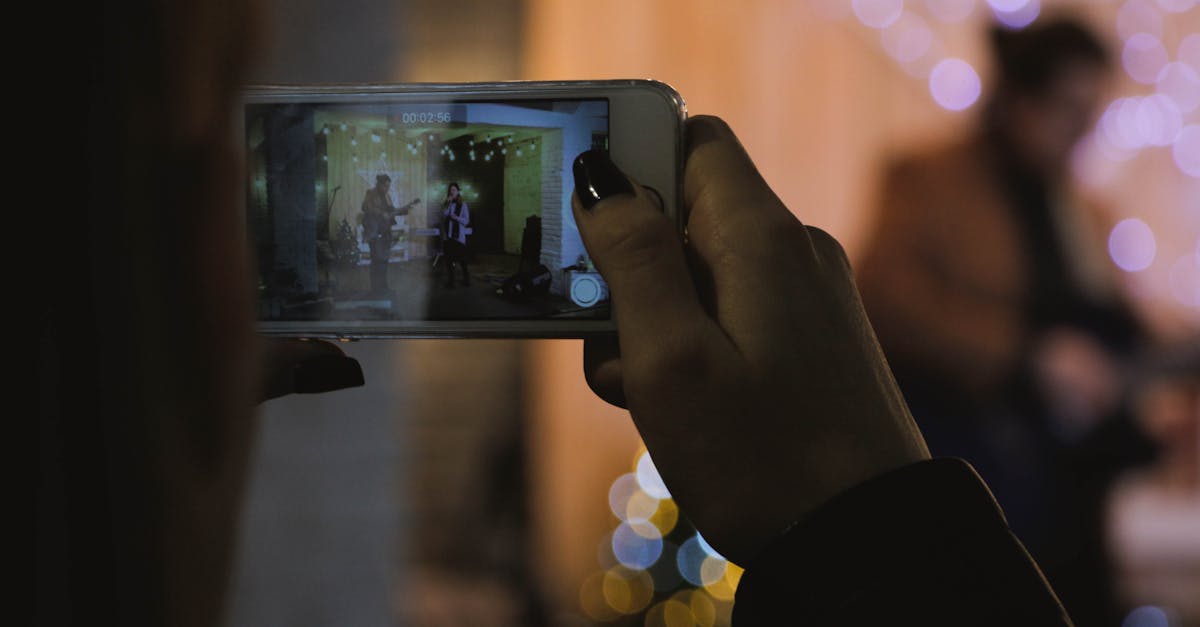

Imagine capturing the perfect moment on your iPhone—sunset, friends laughing, and that catchy tune playing in the background. But wait, can you really play music while recording video? The answer might surprise you.
Table of Contents
ToggleOverview of Recording Video on iPhone
Recording video on an iPhone captures moments seamlessly. Users can easily access the camera app to start filming. Video quality on iPhones typically reaches 4K resolution, ensuring clarity and detail in every shot. Features like slow-motion and time-lapse add creativity to video projects.
The iPhone also supports various frame rates, allowing users to adjust settings based on their needs. For instance, selecting a higher frame rate suits fast-moving subjects, while a lower frame rate creates a more cinematic feel. Users can switch camera modes effortlessly, transitioning between photo and video with just a tap.
Sound quality plays a crucial role in video recording. iPhones utilize built-in microphones to capture clear audio alongside visuals. Users can add external mics for professional sound.
When it comes to playing music during video recording, options exist but come with limitations. The camera app does not allow simultaneous music playback. However, users can edit in music later during the video editing phase. Many editing apps offer the option to overlay music tracks, enhancing the video’s emotional impact.
Lighting also influences video quality, making natural light ideal. Users often find well-lit environments provide the best results. Creative angles and shots add depth, ensuring the video remains engaging.
Overall, recording video on an iPhone presents numerous opportunities for creativity. With features designed to enhance user experience, capturing memories has never been easier.
Music Playback Options
Capturing video on an iPhone while enjoying music adds a unique touch to the experience. Several options exist for incorporating music into your video projects.
Using Built-In Apps
The iPhone’s built-in apps offer convenient options for editing videos after recording. Users can create a video in the Photos app, where they can add music from their library. Accessing this feature is straightforward; after selecting a video, users tap “Edit” and then “Music.” A variety of preloaded soundtracks are available, as well as personal music selections. This approach ensures that users can enhance their videos with the perfect soundtrack, elevating emotional engagement.
Third-Party Applications
Numerous third-party applications provide advanced features for video editing and music integration. Applications like iMovie and Kinemaster cater to those seeking more options for soundtracks and audio effects. Importing music directly from music streaming services simplifies the process. Users find it easy to trim, adjust volume, and layer audio tracks, creating a polished final product. These applications allow for creative freedom, enabling users to make each video uniquely theirs.
Impact of Music on Video Quality
Playing music while recording video on an iPhone affects overall sound quality and clarity. Audio clarity is crucial, as background music can overshadow spoken words or important sounds.
Audio Clarity
Clear audio enhances the viewing experience. Built-in microphones capture sound effectively, but added music can muddle dialogue or natural sounds in the video if not balanced properly. For maximum clarity, consider the environment. Busy or noisy settings may amplify unwanted sounds, competing with the music. Using external microphones helps achieve professional-quality audio. They minimize background noise while capturing clearer voices. After recording, users can always adjust music levels during the editing process for enhanced clarity.
Synchronization Issues
Syncing music with video poses challenges. When adding music after the recording, timing becomes crucial. It’s essential to align the music with key visual elements, such as transitions or significant moments. Without proper synchronization, the final product may feel disjointed. Editing apps, like iMovie or Kinemaster, facilitate this process. They provide tools to trim audio and set exact start times. Keeping an eye on visual and audio harmony ensures a more engaging video experience.
Tips for Successfully Playing Music While Recording
Playing music during video recording on an iPhone presents opportunities for creativity. Below are some tips to effectively incorporate music.
Experimenting with Volume Levels
Adjusting music volume significantly influences the overall video experience. Lower volume allows dialogue and important sounds to remain clear. Test different levels before finalizing the recording. Balancing music and audio ensures that the viewer can enjoy both the visuals and accompanying sounds. Emphasizing dialogue is crucial when storytelling. Remember, the right volume creates a harmonious blend, enhancing the emotional impact of the video.
Using Headphones
Using headphones while recording provides a distinct advantage. They offer a chance to monitor audio quality live. When the user listens through headphones, they can detect any background noise or imbalances in music volume. This technique allows for immediate adjustments to achieve optimal sound quality. Furthermore, headphones prevent sound leakage, which maintains a clean audio track. An essential part of any recording setup, headphones enhance overall production quality.
Capturing video on an iPhone while incorporating music adds a unique touch to any project. Although simultaneous playback isn’t possible during recording, users have plenty of options to enhance their videos with music afterward. Editing apps like iMovie and Kinemaster make it easy to add soundtracks that elevate the emotional resonance of the footage.
By focusing on sound quality and balancing audio elements, creators can ensure their videos are engaging and professional. Experimenting with volume levels and using headphones during recording allows for real-time adjustments that improve overall production quality. With the right techniques and tools, anyone can create memorable videos that resonate with viewers.